
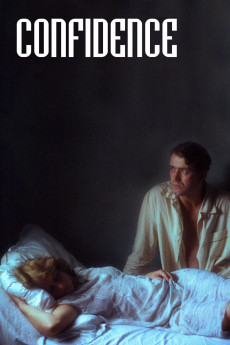
 István Szabó
Director
Gyöngyi Dorogi
as
Béla Éless
as
(as Béla Éles)
László Littmann
as
Dr. Czakó
Danielle du Tombe
as
Elza
István Szabó
Director
Gyöngyi Dorogi
as
Béla Éless
as
(as Béla Éles)
László Littmann
as
Dr. Czakó
Danielle du Tombe
as
Elza
 Wanda Jakubowska
Director
Wanda Jakubowska
Director
 Edward Dziewonski
as
Auschwitz Medical Officer
Barbara Rachwalska
as
Elza
Mariya Vinogradova
as
Nadya, a nursing aide
Jadwiga Chojnacka
as
Prisoner #2
Edward Dziewonski
as
Auschwitz Medical Officer
Barbara Rachwalska
as
Elza
Mariya Vinogradova
as
Nadya, a nursing aide
Jadwiga Chojnacka
as
Prisoner #2
 Ella Manzheeva
Director
Sergey Adianov
as
Dzhiga
Evgeniya Mandzhieva
as
Elza
Lyubov Ubushieva
as
Mother
Evgeniy Sangadzhiev
as
Ulan
Ella Manzheeva
Director
Sergey Adianov
as
Dzhiga
Evgeniya Mandzhieva
as
Elza
Lyubov Ubushieva
as
Mother
Evgeniy Sangadzhiev
as
Ulan
